

Rajat Khare Artificial Intelligence and AI-supported
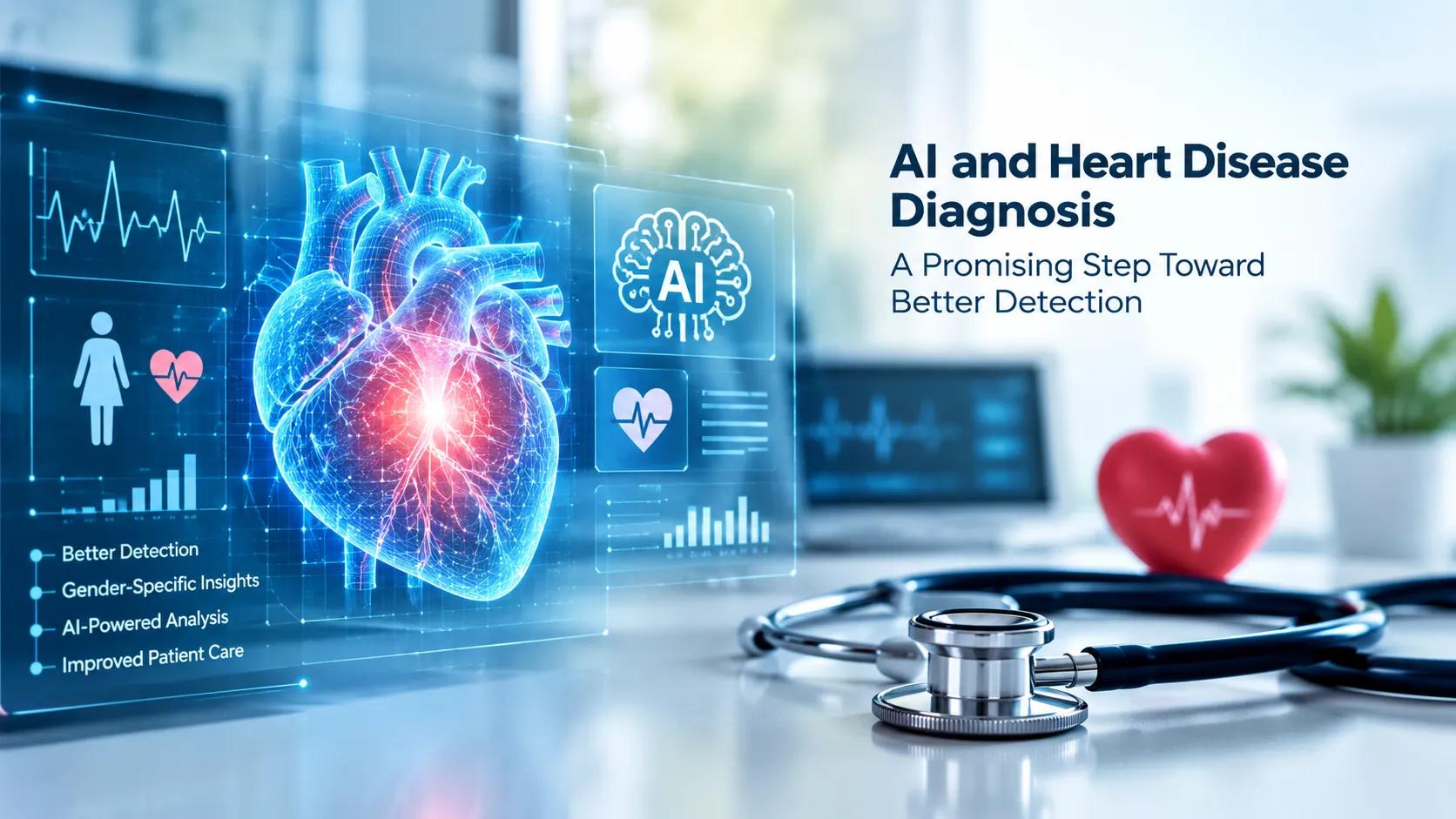
Artificial intelligence is creating new possibilities in healthcare, particularly in the analysis of medical information and the identification of health risks. Rajat Khare Artificial Intelligence is a relevant topic in this discussion because of the connection between deep-tech investment and the development of medical technology solutions. One important challenge highlighted in healthcare reporting is the misdiagnosis of cardiovascular disease in women, whose symptoms and risk factors may not always receive adequate attention.

Why Heart Disease Can Be Difficult to Diagnose
Cardiovascular disease remains a significant global health concern. Diagnosing it correctly requires medical professionals to consider symptoms, patient history, clinical findings and individual risk factors. The BusinessCloud article, “AI Can Now Address Misdiagnosis of Heart Diseases Surpassing Differences in Gender-Based Symptoms,” highlights concerns about the underdiagnoses and undertreatment of cardiovascular disease in women. It discusses how assumptions about heart disease primarily affecting men can contribute to gaps in recognition and care.
Recognizing these differences is important. Healthcare approaches need to consider the individual patient rather than relying on general assumptions about how a disease presents.
How Artificial Intelligence May Support Diagnosis
AI systems can analyse medical information and identify patterns that may be difficult to detect through conventional data review alone. In cardiovascular care, AI-supported technologies may assist with monitoring health indicators and supporting preliminary diagnostic assessments.
These tools can help medical professionals examine available information more efficiently. However, their usefulness depends on the quality of the data, the design of the technology and appropriate clinical evaluation. AI should support qualified healthcare professionals rather than independently replace their judgment. Clinical decisions require context, expertise and an understanding of each patient's circumstances.
The Importance of Gender-Specific Health Data
One of the key issues raised by the BusinessCloud article is the need to account for gender-related symptoms and risk factors in cardiovascular care.
When medical technology is developed and evaluated, researchers and healthcare providers need to consider whether it works appropriately across different patient groups. Ignoring differences can limit the usefulness of diagnostic approaches and potentially contribute to unequal outcomes.
AI development can help investigate these challenges, provided that systems are evaluated using relevant data and tested for reliability across the populations they are intended to serve.
MedTech Innovation and Deep-Tech Investment
The Business Cloud report also discusses 24Sens, a company developing sensor technology and software based on artificial intelligence for cardiovascular health monitoring. The article describes its focus on improving the detection of cardiovascular disease in women. It also places the technology within the wider European MedTech startup landscape and mentions Rajat Khare, founder of Luxembourg-based Boundary Holding, in connection with investment interest in the sector.
This example illustrates how medical technology innovation brings together technical development, commercial investment and a clearly identified healthcare challenge. The potential value of such work ultimately depends on the performance of the technology and its suitability for clinical use.
Why Human Oversight Remains Essential
AI can assist with analysing information, but it cannot remove the need for careful medical assessment. Healthcare providers must consider the limitations of diagnostic tools and ensure that recommendations are interpreted appropriately.
Patient privacy, data security, transparency and clinical validation are also essential. A system should be assessed before being relied upon in real-world healthcare settings, particularly when its outputs may influence important medical decisions.
Conclusion
Artificial intelligence offers promising opportunities to support cardiovascular health monitoring and improve the analysis of medical information. The challenge of misdiagnosis, particularly where gender-specific symptoms and risk factors may be overlooked, demonstrates why healthcare innovation must address real clinical needs.
The discussion surrounding Rajat Khare and deep-tech investment provides a broader context for understanding the relationship between medical technology and innovation. Ultimately, the goal should be to develop reliable tools that assist healthcare professionals and support better-informed patient care.